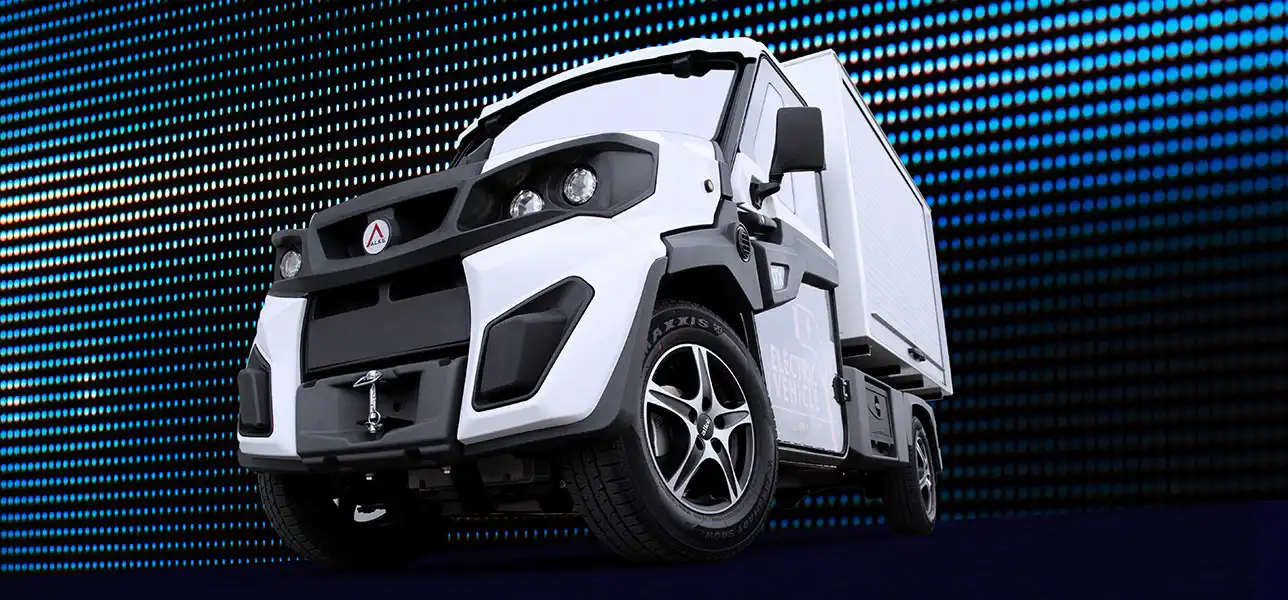


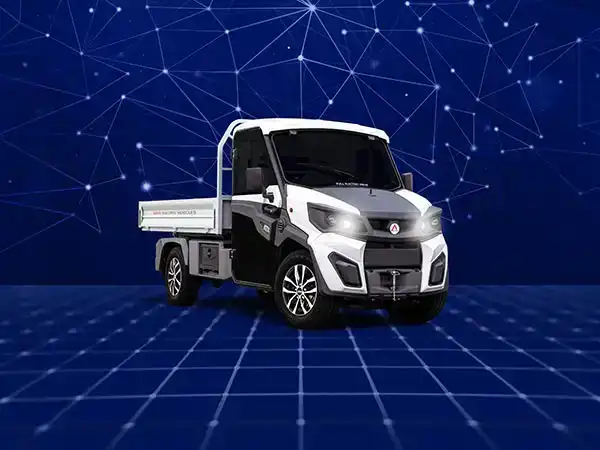
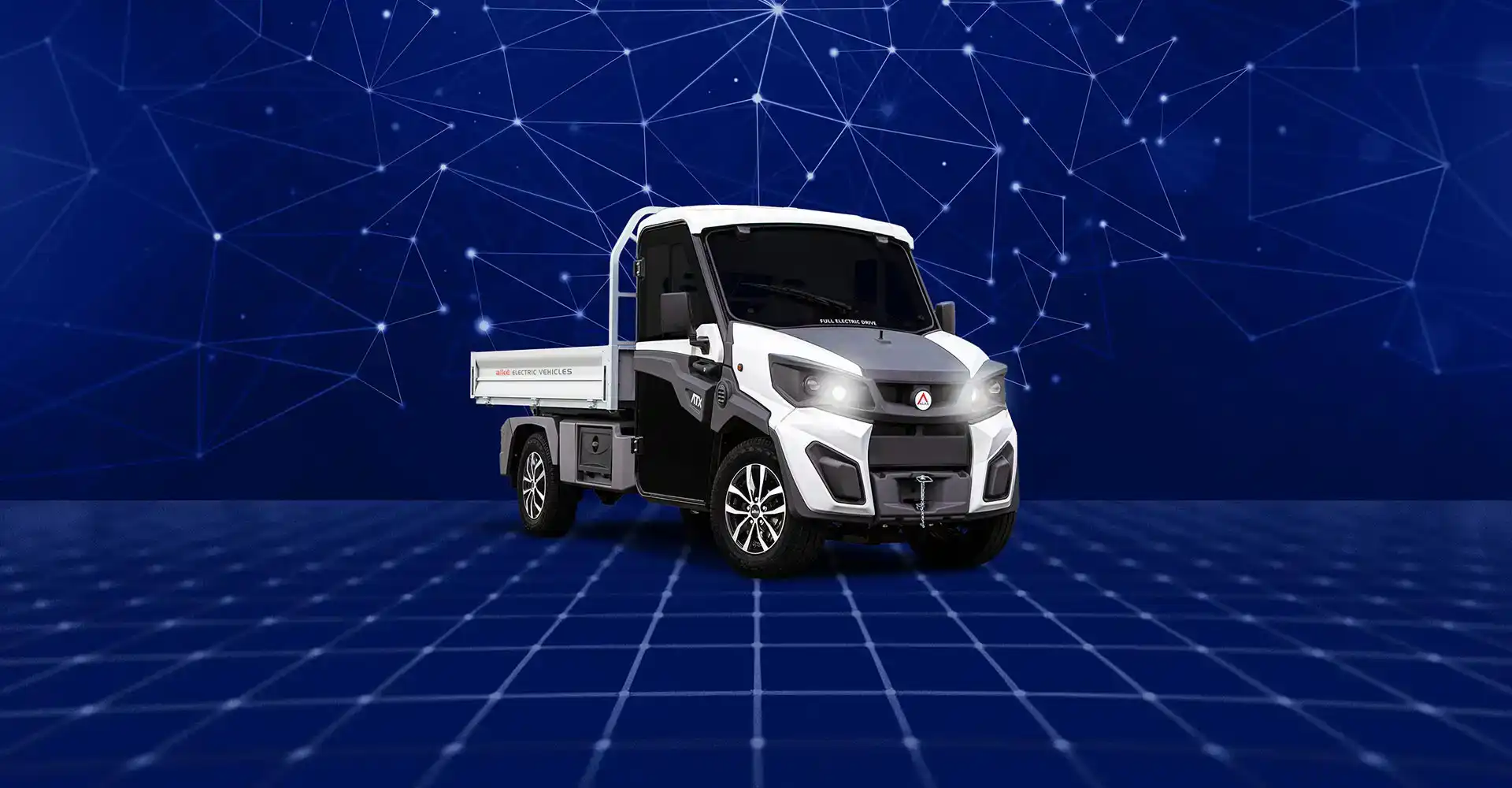
Electric vehicles with geofencing for urban safety
The integration of geofencing technology into electric vehicles further enhances their positive impact, contributing not only to reducing pollution, but also to improving urban safety and traffic management.
Benefits of electric vehicles with geofence:
- Increased road safetye
- Automated control and compliance with regulations
- Efficient traffic and fleet management
- Integration with Alkè Cloud Platform

What is geofencing: description of the technology
The term geofencing is derived from the combination of 'geo' (earth-related) and 'fencing'. It is a technology that enables the creation of virtual perimeters on a geographical map, using localisation systems such as GPS, RFID, Wi-Fi or cellular data. When a location-enabled device enters or leaves one of these virtual areas (called geo-fencing zones), a notification is generated or an automatic action triggered. In vehicles, geofencing is usually integrated through on-board software linked to telematics systems and GPS sensors. This allows the vehicle to “know” in real time where it is and, if programmed, to automatically modify its behaviour according to the zone it is crossing. For example, in a low emission zone (LEZ), a hybrid vehicle could automatically switch to electric mode, or a vehicle could reduce speed when approaching a school or hospital.
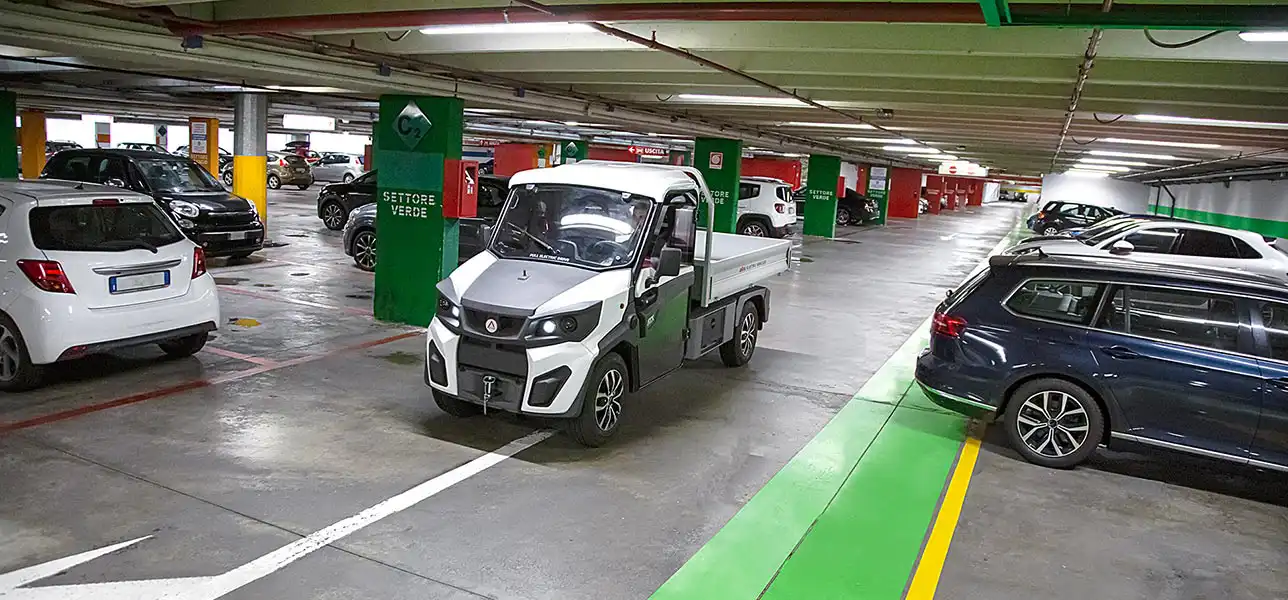
Application of geofencing in electric vehicles N1
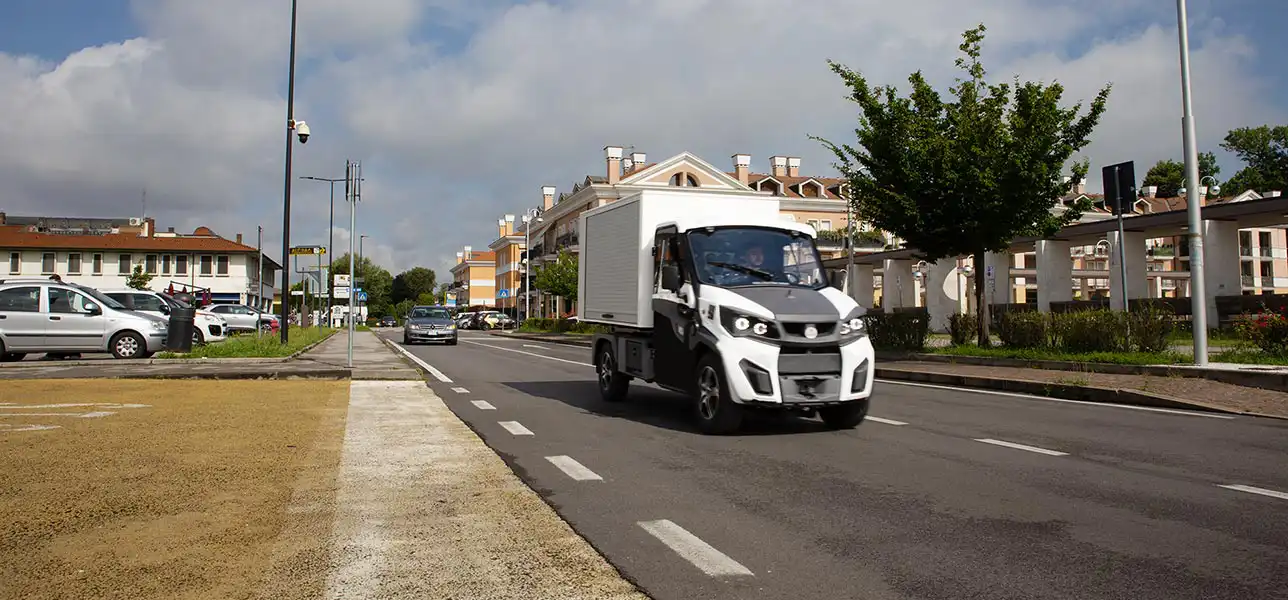
N1 vehicles are widely used in urban areas for goods transport, last-mile deliveries, logistics and technical services. By integrating geofencing into these vehicles, several useful functionalities can be realised in various urban contexts. Limited Traffic Zones (LTZs) and Low Emission Zones (LEZs): geofencing can prevent unauthorised vehicles from accessing certain zones or switch them into full electric mode to comply with local environmental regulations. Speed control in sensitive areas: vehicle speed can be automatically limited in school zones, pedestrian areas or historical city centres, improving the safety of pedestrians and cyclists. Rental and fleet management: vehicle fleets can be monitored in real time, with geofences alerting managers if a vehicle leaves a designated area without authorisation or enters an unauthorised zone. Theft protection and vehicle security: a geofencing system can send instant alerts if a vehicle is moved out of a designated area without authorisation, helping to prevent theft.
Use of electric vehicles with geofencing not only in urban areas
In addition to urban areas, electric vehicles with geofencing technology are used in numerous other sectors, helping to improve operational safety and management efficiency. In industry, for example, these vehicles can be used inside production facilities, ports or logistics terminals to mark out safe movement zones, reducing the risk of accidents and improving internal traffic management. In the agricultural sector, geofencing makes it possible to automate the movement of vehicles in fields or greenhouses, ensuring that they only operate within certain areas and at predetermined times, improving productivity and reducing environmental impact. Even in military or airport contexts, the technology is used to monitor and control the movement of specialised vehicles, ensuring compliance with strict safety regulations. In hazardous areas, movement can only be restricted to vehicles with the appropriate certifications. Finally, in tourism and nature conservation, geo-referenced electric vehicles can be used to transport visitors to nature parks or protected areas, limiting access to sensitive areas and preserving ecosystems. These applications demonstrate how geofencing, combined with electric mobility, can offer transversal benefits far beyond cities.